

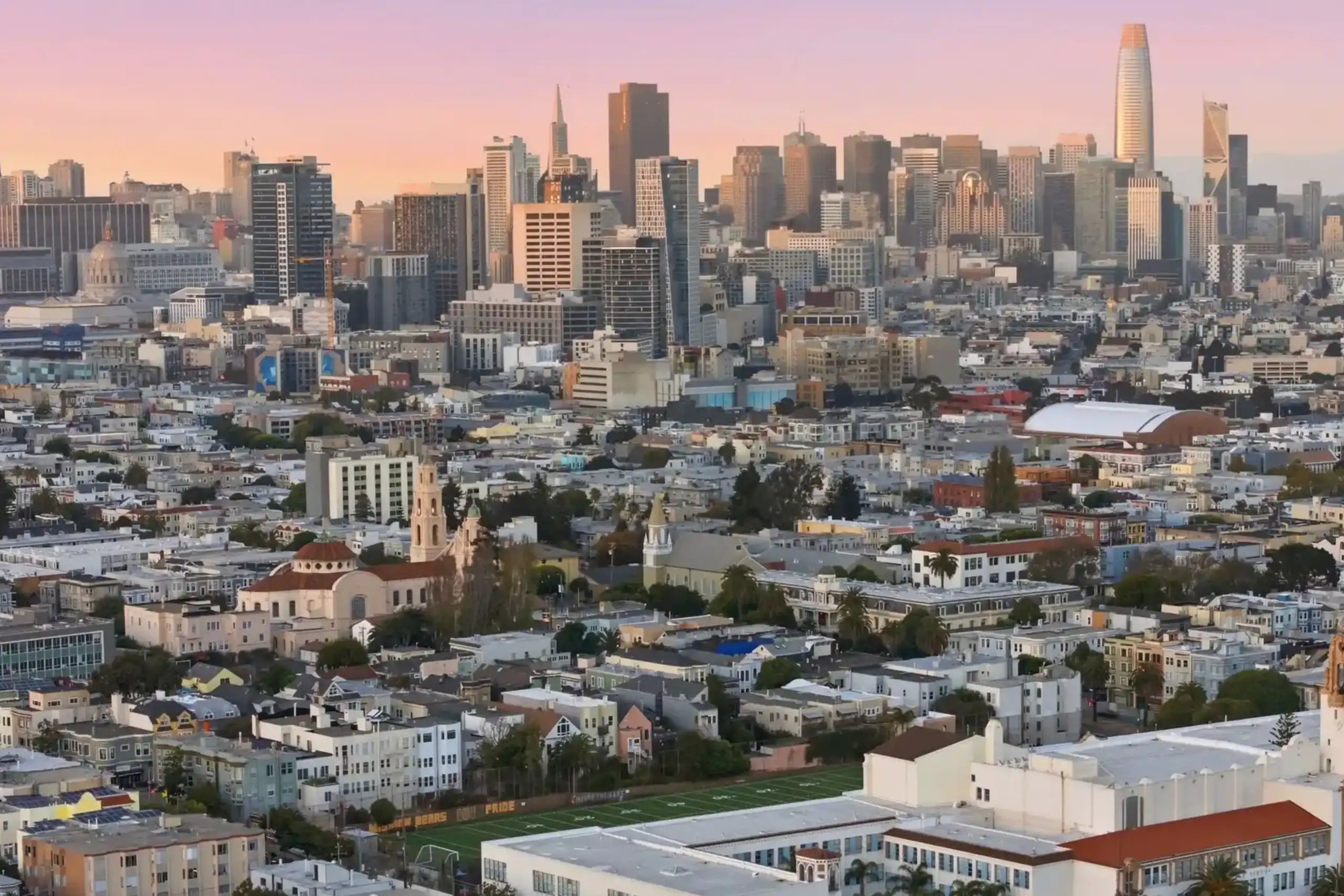
For three years, San Francisco’s AI boom had one address: the glass office towers downtown. This year it is looking somewhere else – the older warehouses of the Mission and the east side, a few blocks from where people live. If you own a home in this city, that shift is worth understanding.
Here is what’s happening, and what it means for you.
What’s Actually Happening in the Mission?
According to the San Francisco Chronicle, Anthropic is reportedly considering a nearly 100,000-square-foot industrial building in the Mission District for research and development. For a company that has spent the past few years leasing office towers on Howard Street, that is a different kind of space in a different kind of neighborhood. No deal has been confirmed. But the interest is not a one-off.
Why Are AI Companies Moving Into Industrial Buildings?
The surprise is that the companies known for software now want freight access and heavy power. The newest wave of AI is not only code. Firms building robots, autonomous vehicles, and delivery drones need loading docks, high-voltage infrastructure, and room to test – things a downtown tower cannot offer. San Francisco’s older production, distribution, and repair buildings can, and most of them sit in the eastern neighborhoods – the Mission, Potrero Hill, Dogpatch, and Bayview.
How Big Is This Shift?
Larger than one headline suggests. According to JLL, robotics and drone companies have grown their Bay Area footprint from under 500,000 square feet in 2020 to more than 7.6 million in 2026 – and the space they leased in 2026 alone has already passed their combined total from the five years before. JLL estimates the sector’s leasing will exceed 1.5 million square feet this year.
Is the City Pushing Back?
In parts, yes. The same industrial buildings that artists, fabricators, and small manufacturers have used for decades are now drawing well-funded tech tenants. In response, the city has adopted interim zoning controls that require special approval for certain tech-lab uses in these industrial zones through mid-2027, and a separate dispute over drone testing in the Mission has put the tension in plain view. How San Francisco divides its limited industrial space between blue-collar work and its newest industry is an open question, and it will shape these neighborhoods for years.
What Does This Mean If You Own in San Francisco?
For most owners, this is information, not a task. When an industry decides where it wants to be, it changes foot traffic, demand, and value on the blocks around it. The neighborhoods absorbing this growth now are the ones whose path will look different in five years. Knowing which way the map is moving is part of knowing what you own.
We live and work in these neighborhoods. We read the plans, we follow the leases, and we talk through what they mean for real streets and real owners. Thirty years of combined experience in this market, a J.D. and an MBA between us, and a record of results across $750M+ in career sales – RealTrends Verified as a Top Team for 2026, placing us in the top 1.5% of real estate professionals nationwide – exist to answer one question clearly: what does this mean for you, specifically.
Wondering how these shifts touch your neighborhood or your home’s value? We are glad to look at it with you. No pressure, just a clear read on where things stand and what your options actually look like.
Frequently Asked Questions
Is Anthropic definitely moving to the Mission District? No. According to the San Francisco Chronicle, the company is reportedly considering a nearly 100,000-square-foot industrial building there for research and development. No deal has been confirmed, but the interest reflects a broader move by AI companies into industrial space.
Which San Francisco neighborhoods are affected by this industrial shift? Demand is concentrated in the city’s eastern neighborhoods, where most industrial buildings sit – the Mission, Potrero Hill, Dogpatch, and Bayview.
Does this affect property values for homeowners? It can, over time. When a well-funded industry concentrates in an area, it tends to influence demand, foot traffic, and prices nearby. The effect builds gradually rather than overnight.
What should I do if I own in one of these neighborhoods? Nothing is required. The useful step is understanding how the shift could shape demand and value where you own, so any future decision is an informed one.
Sources: San Francisco Chronicle; JLL (via Bisnow and the San Francisco Standard); San Francisco Planning Department and Board of Supervisors zoning actions.
By DA Team – Dale Boutiette, J.D. & Alla Gershberg, MBA, Compass
SFRealEstate@DaleAndAlla.com | M: 415-845-5614 DA Team – Dale Boutiette & Alla Gershberg | @compass | DRE #01768604 | DRE #01357822
Social Cookies
Social Cookies are used to enable you to share pages and content you find interesting throughout the website through third-party social networking or other websites (including, potentially for advertising purposes related to social networking).