

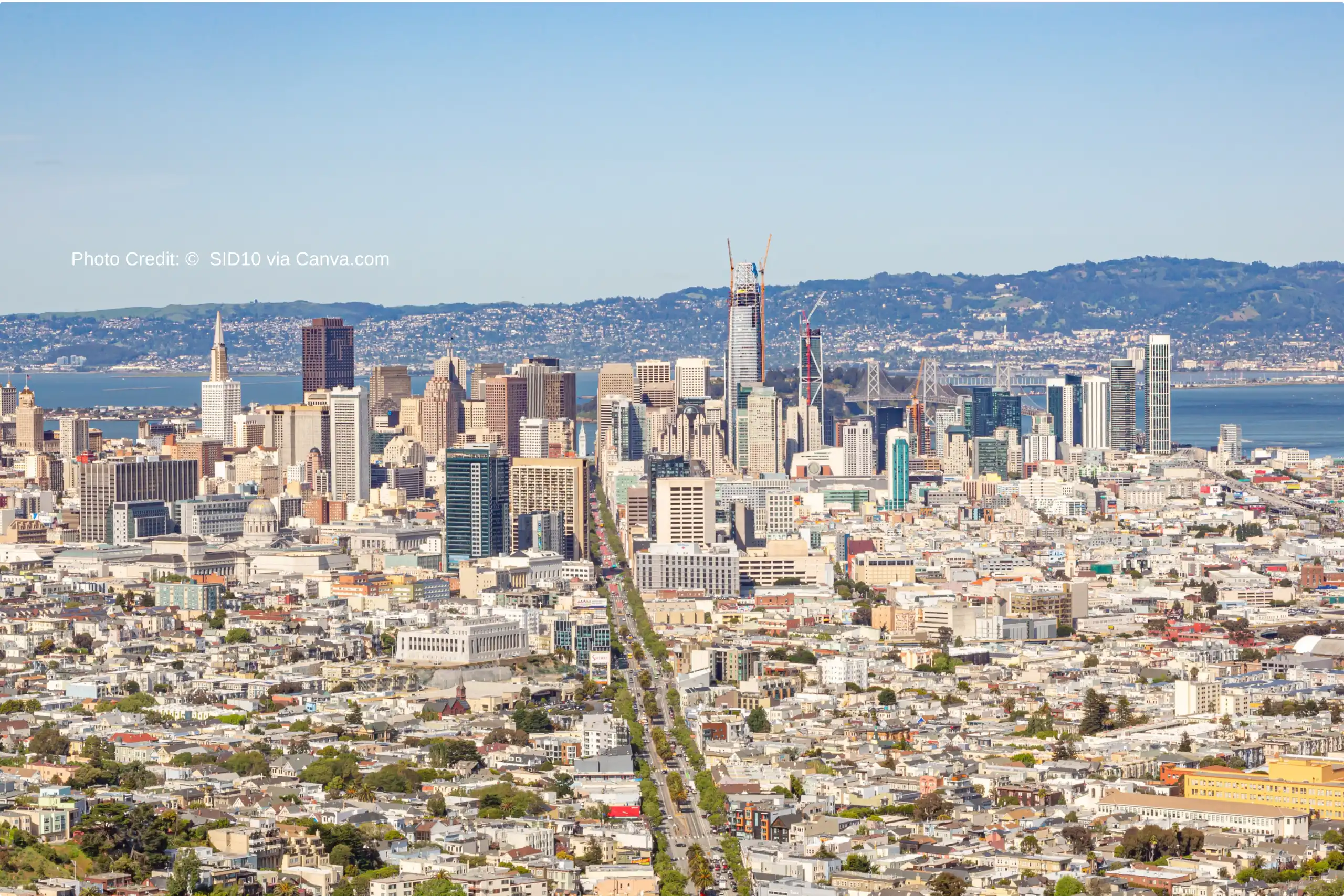
If you own a home in the Richmond, the Sunset, the Marina, or anywhere on San Francisco’s north or west side, the map under your feet looks different this year. The city updated the zoning. Your deed, your walls, and your front steps stayed exactly where they were.
Here is what actually changed, and what it means for you.
What Changed in January 2026?
On December 12, 2025, the Family Zoning Plan was signed into law. The new rules took effect on January 12, 2026.
The plan focuses on the northern and western neighborhoods. According to the Planning Department, these areas cover more than half the city’s land. Over the past 15 years, they received only about 10% of its new housing. The plan is built to close that gap.
Why Did San Francisco Rezone the North and West Sides?
This was not a local whim. Under state law, San Francisco had to show realistic zoning capacity for a housing shortfall of about 36,200 homes between 2023 and 2031. Planning for that capacity is not the same as building it. The rezoning is about what the city now allows, not a target it is required to construct.
For decades, most of the city’s growth landed in the eastern and southern parts, in areas like SoMa, the Mission, and Potrero Hill, which were rezoned years ago. The west and north were largely zoned for single-family homes and stayed quiet. The Family Zoning Plan shifts some of that capacity toward neighborhoods that already have transit, parks, and retail in place.
What Does the New Zoning Map Allow?
Major transit and commercial streets can now hold buildings of six to eight stories, and taller at select transit hubs and major intersections. Geary is one of the corridors the plan is built around. Corner lots and larger sites over 8,000 square feet can rise to six stories.
On residential streets off the corridors, the height limit usually stays at four stories. What changed there is density. More homes can now fit inside that same height. Properties near certain commercial streets can add a floor, up to five.
A zoning change is permission, not a plan. The city does not build housing itself. Whether anything new goes up depends on individual owners and market conditions, the same as it always has.
Do Current Homeowners Have to Do Anything?
No. Nothing is asked of current owners. Existing buildings do not have to change. No one has to rebuild, sell, or move. Owners keep the same control over their property they have always had.
What changes is possibility. If an owner chooses to rebuild, the new rules may allow more homes on the parcel than the old ones did.
Will the Rezoning Tear Down My Block?
That is not how it has played out. The Planning Department reports that from 2012 to 2025, about 269 units were demolished citywide, roughly 20 a year, and over half of those were single-family homes. During that same stretch, around two homes were built for every one lost. Demolition is rare, and the existing laws that discourage it remain in place.
What Happens to Historic Homes?
Listed historic resources keep their protections. Historic designation does not block new housing, but it does require a more careful, context-sensitive approach to anything built around it. The city’s cultural resources survey and landmark program continue to identify and protect the buildings that give these neighborhoods their character.
What Does This Mean If You Own in San Francisco?
For most homeowners, this is not a task. It is information. Zoning shapes what a block can become over time, and that shapes options, value, and the feel of a neighborhood. Knowing what your address now allows is part of knowing what you own.
We live and work in these neighborhoods. We read the plans, we follow the maps, and we talk through what they mean for real streets and real owners. Thirty years of combined experience in this market, a J.D. and an MBA between us, and a record of results across $750M+ in career sales – RealTrends Verified as a Top Team for 2026, placing us in the top 1.5% of real estate professionals nationwide – exist to answer one question clearly: what does this mean for you, specifically.
Curious what the new map allows at your address? We are glad to look at it with you. No pressure, just a clear read on where things stand and what your options actually look like.
Frequently Asked Questions
Does the Family Zoning Plan require me to change my home? No. Existing buildings do not have to change, and no owner is required to rebuild, sell, or move. The new rules only affect what a property may allow if its owner chooses to rebuild.
Which San Francisco neighborhoods does the Family Zoning Plan affect? The plan focuses on the northern and western parts of the city, areas that cover more than half the city’s land but received only about 10% of its new housing over the past 15 years.
How tall can new buildings be under the new zoning? Major transit and commercial streets allow six to eight stories, and taller at select transit hubs and major intersections. Corner lots and sites over 8,000 square feet can reach six stories. Most residential streets stay at a four-story limit, with more homes allowed within that height.
Will the new zoning lead to demolitions in my neighborhood? It is unlikely to. Demolitions have averaged about 20 units a year citywide from 2012 to 2025, and roughly two homes were built for every one lost. The existing laws that discourage demolition remain in place.
Sources: San Francisco Planning Department, Family Zoning Plan (sfplanning.org/sf-family-zoning-plan)
By DA Team – Dale Boutiette, J.D. & Alla Gershberg, MBA, Compass
SFRealEstate@DaleAndAlla.com | M: 415-845-5614 DA Team – Dale Boutiette & Alla Gershberg | @compass | DRE #01768604 | DRE #01357822
Social Cookies
Social Cookies are used to enable you to share pages and content you find interesting throughout the website through third-party social networking or other websites (including, potentially for advertising purposes related to social networking).